History of Ireland
Ireland has a rich and fascinating history spanning thousands of years. From ancient Celtic civilizations to modern independence, understanding Ireland's past helps students appreciate the culture they will be immersed in during their studies.
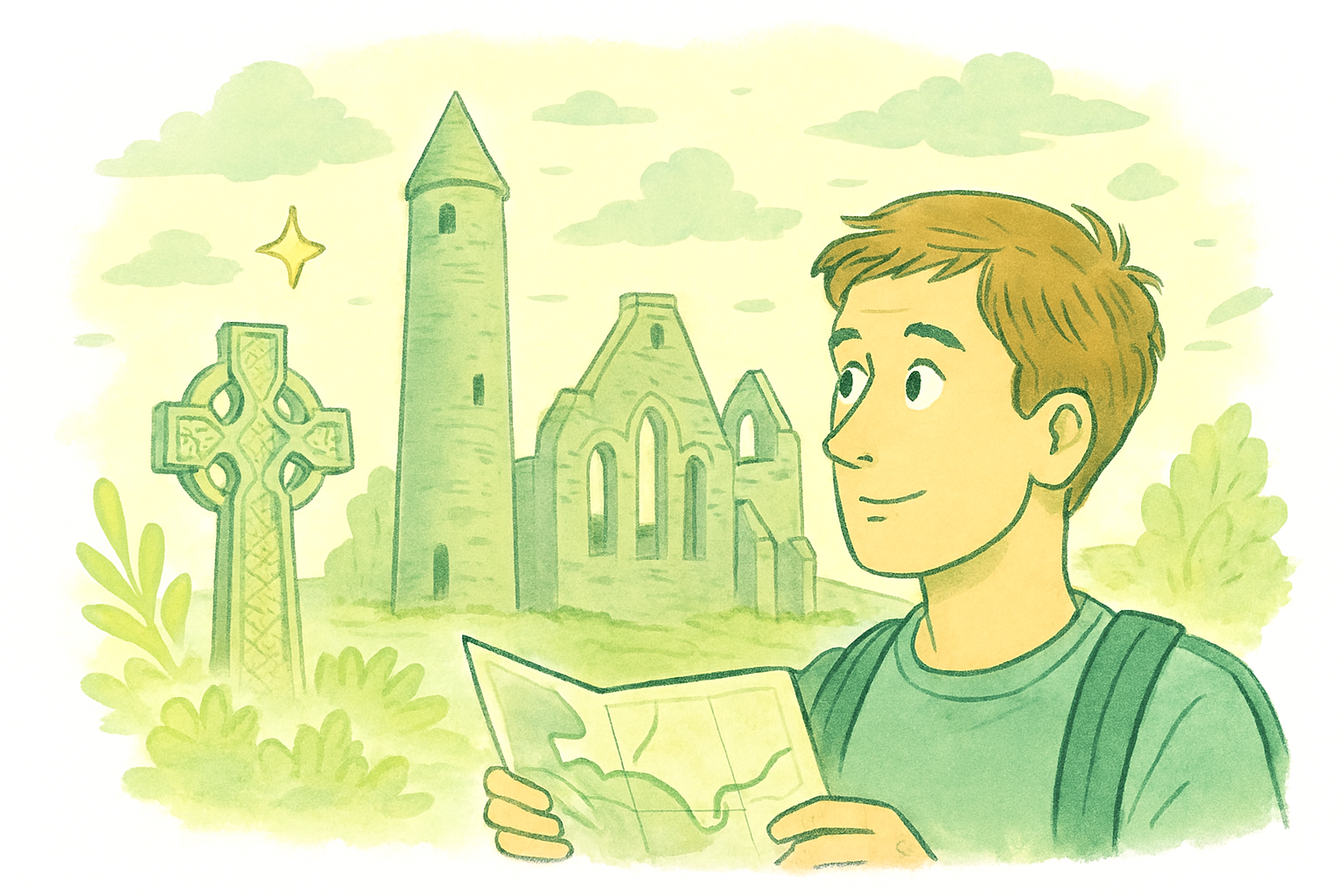
Ancient Ireland (Before 500 BC)
Ireland's earliest inhabitants arrived around 10,000 BC after the last Ice Age. These Stone Age settlers left behind remarkable monuments like Newgrange, a passage tomb older than the Egyptian pyramids. The island's strategic position in the Atlantic shaped its development as a crossroads of cultures.
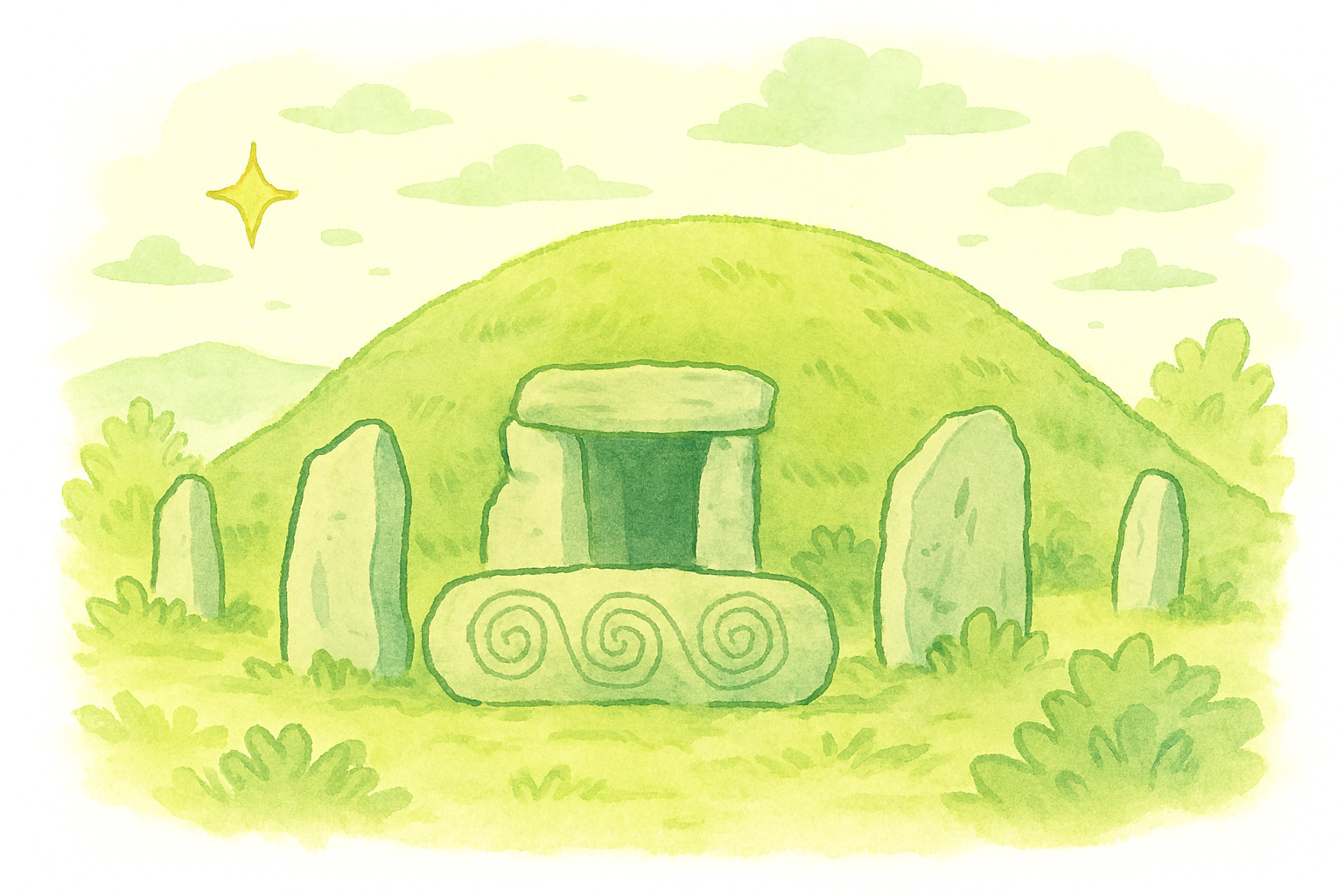
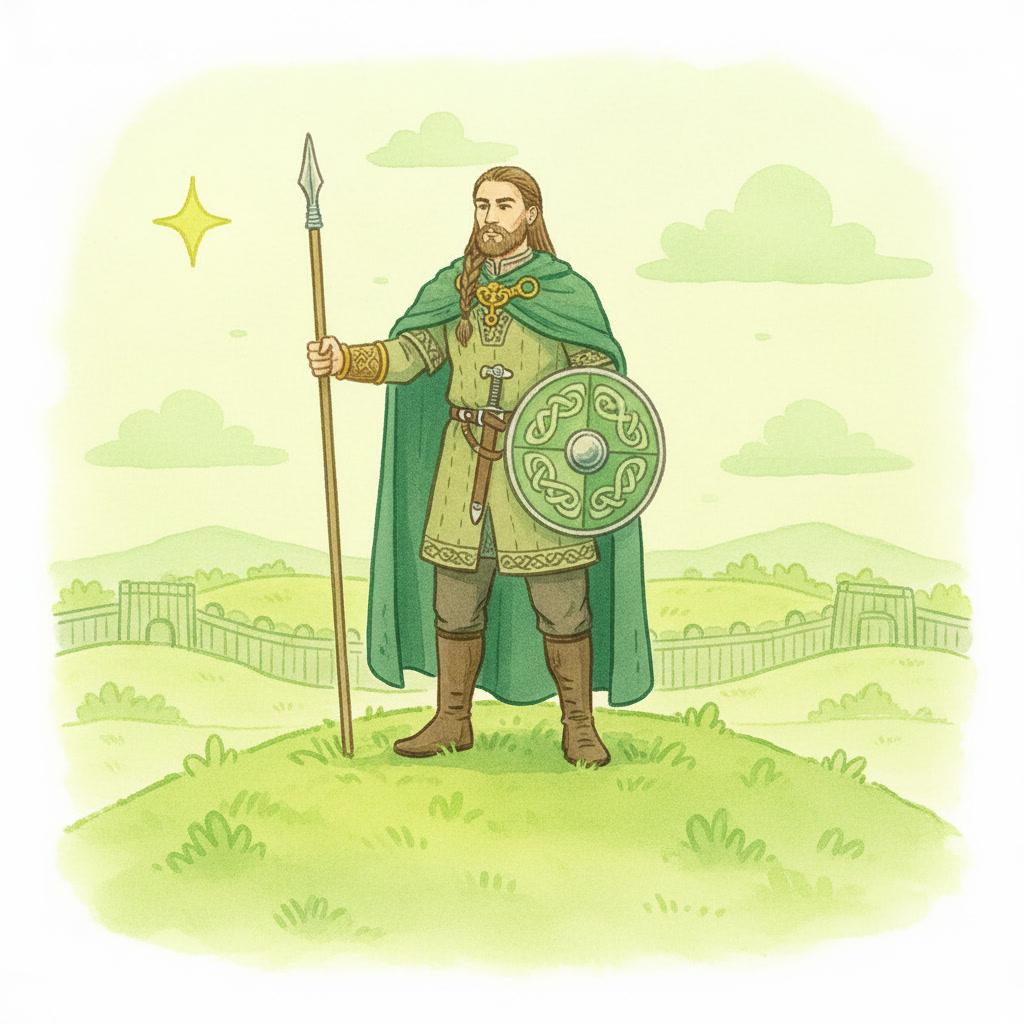
Celtic Ireland (500 BC - 400 AD)
The Celts arrived in Ireland around 500 BC, bringing their language, laws, and art. They established a society based on kingdoms (túatha) ruled by chieftains. The Celts created stunning metalwork and developed a rich oral tradition of myths and legends that still influence Irish culture today.
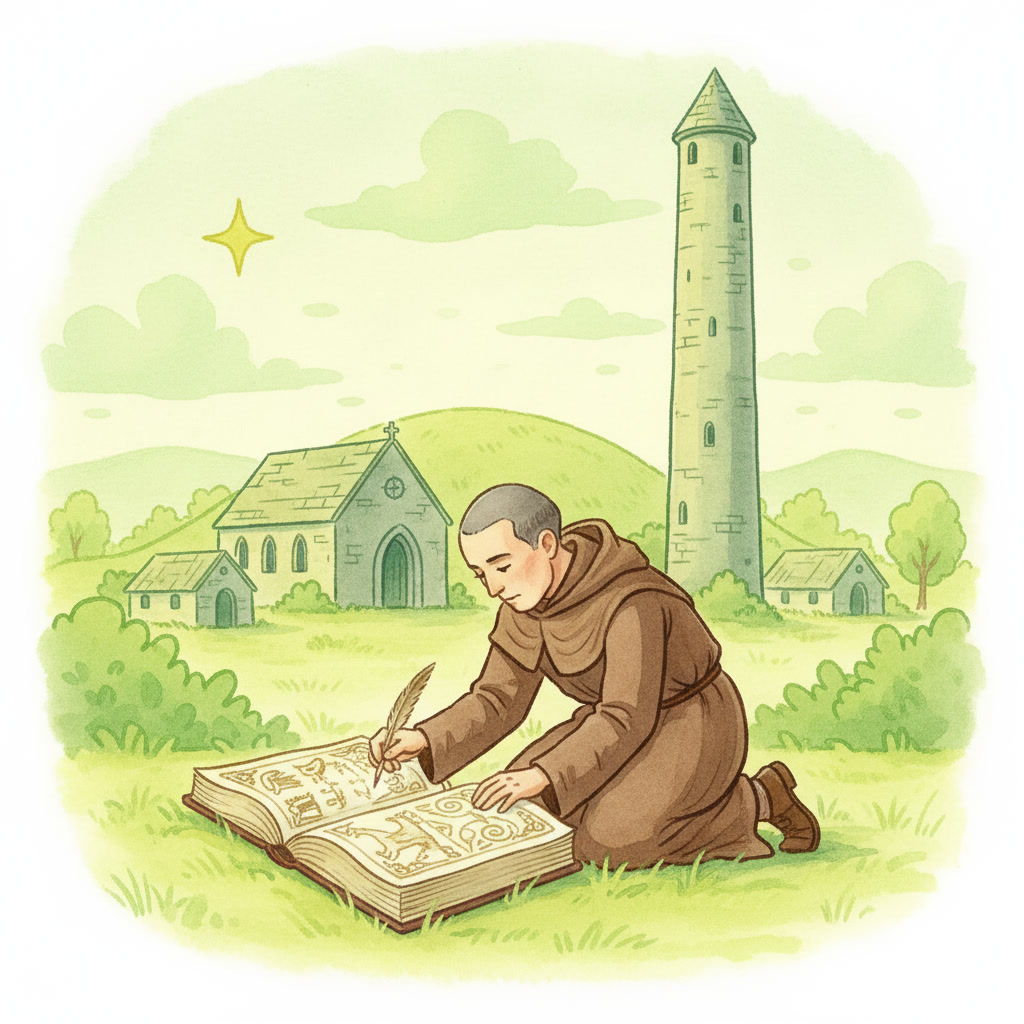
Early Christian Ireland (400 - 800 AD)
St. Patrick arrived in Ireland around 432 AD, beginning the conversion to Christianity. Ireland became a center of learning and scholarship, with monasteries like Clonmacnoise and Glendalough producing illuminated manuscripts like the Book of Kells. Irish monks helped preserve European learning during the Dark Ages.
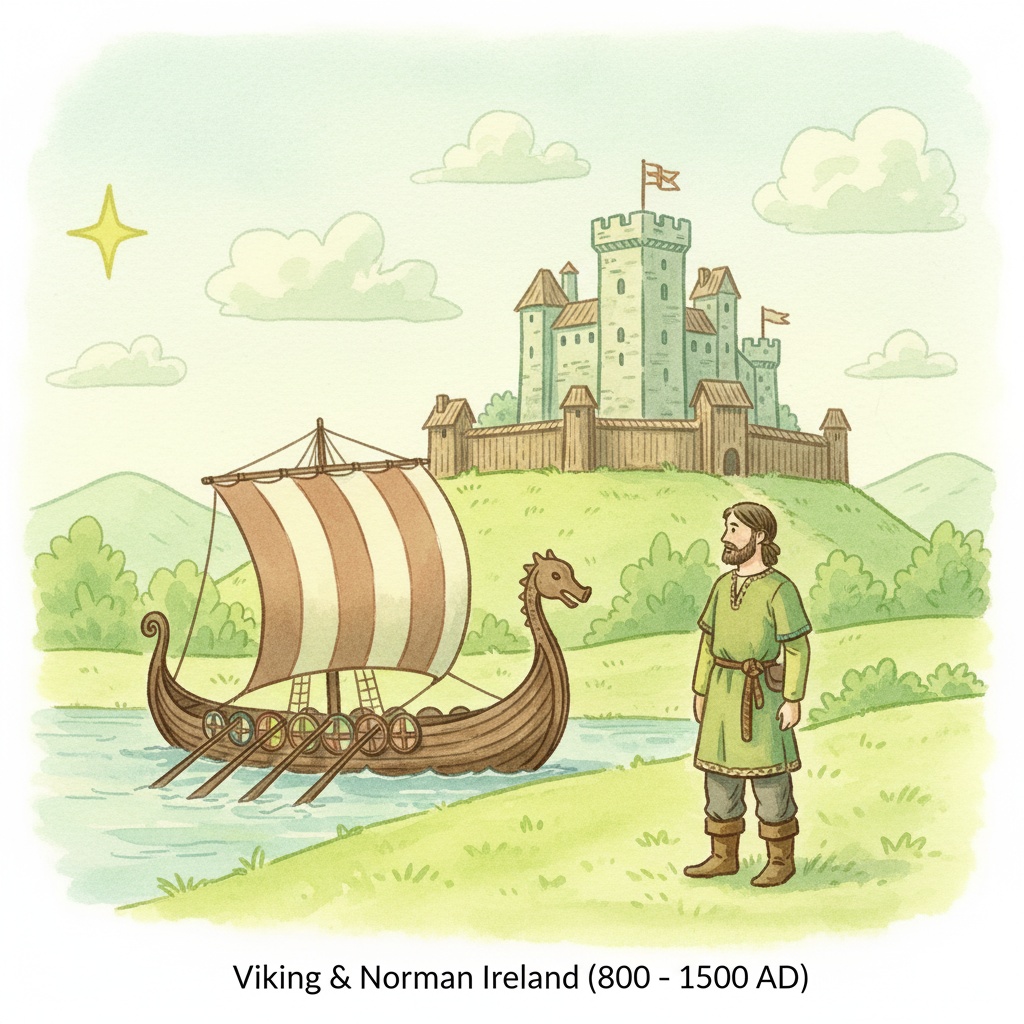
Viking and Norman Ireland (800 - 1500)
Vikings began raiding Ireland in 795 AD, eventually establishing trading towns like Dublin, Waterford, and Limerick. The Normans arrived in 1169, building castles and introducing feudalism. Despite foreign influence, Gaelic culture remained strong outside the areas of English control.
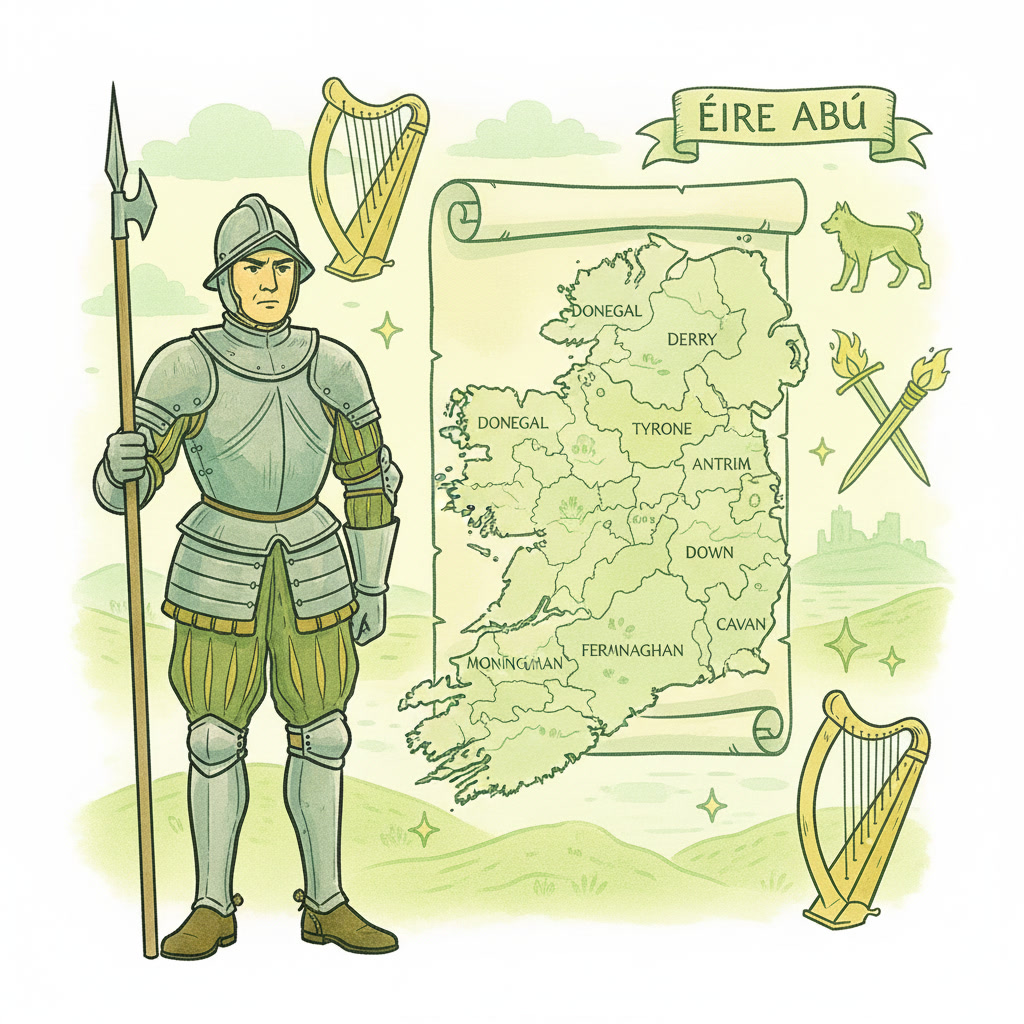
British Rule (1500 - 1922)
Tudor conquest brought Ireland under full English control. The Plantations of the 16th and 17th centuries brought Protestant settlers, particularly to Ulster. Penal Laws restricted Catholic rights for centuries. The struggle for independence intensified through rebellions in 1798, 1848, and 1916.
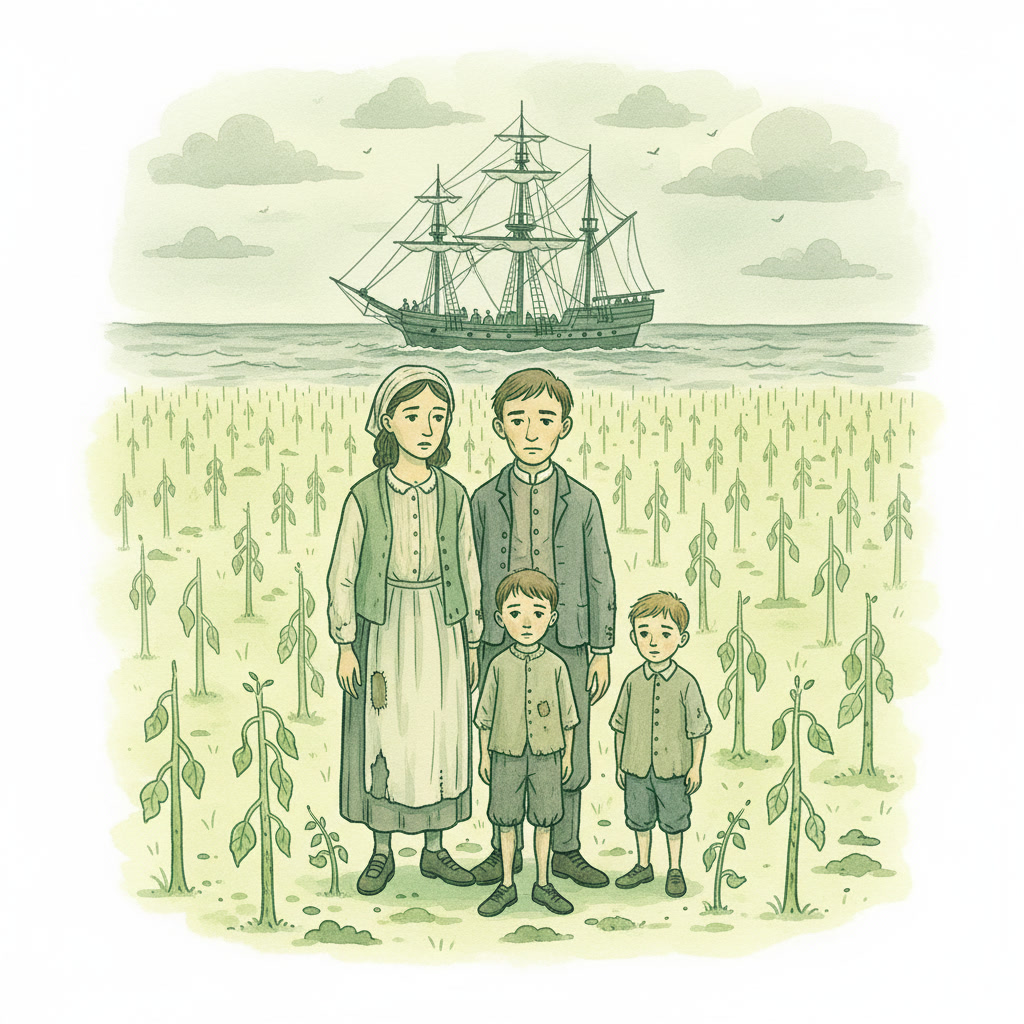
The Great Famine (1845 - 1852)
The potato blight caused devastating famine. Ireland's population fell from 8 million to 6 million through death and emigration. This tragedy transformed Irish society and fueled nationalist movements. The diaspora created strong Irish communities worldwide, particularly in America.
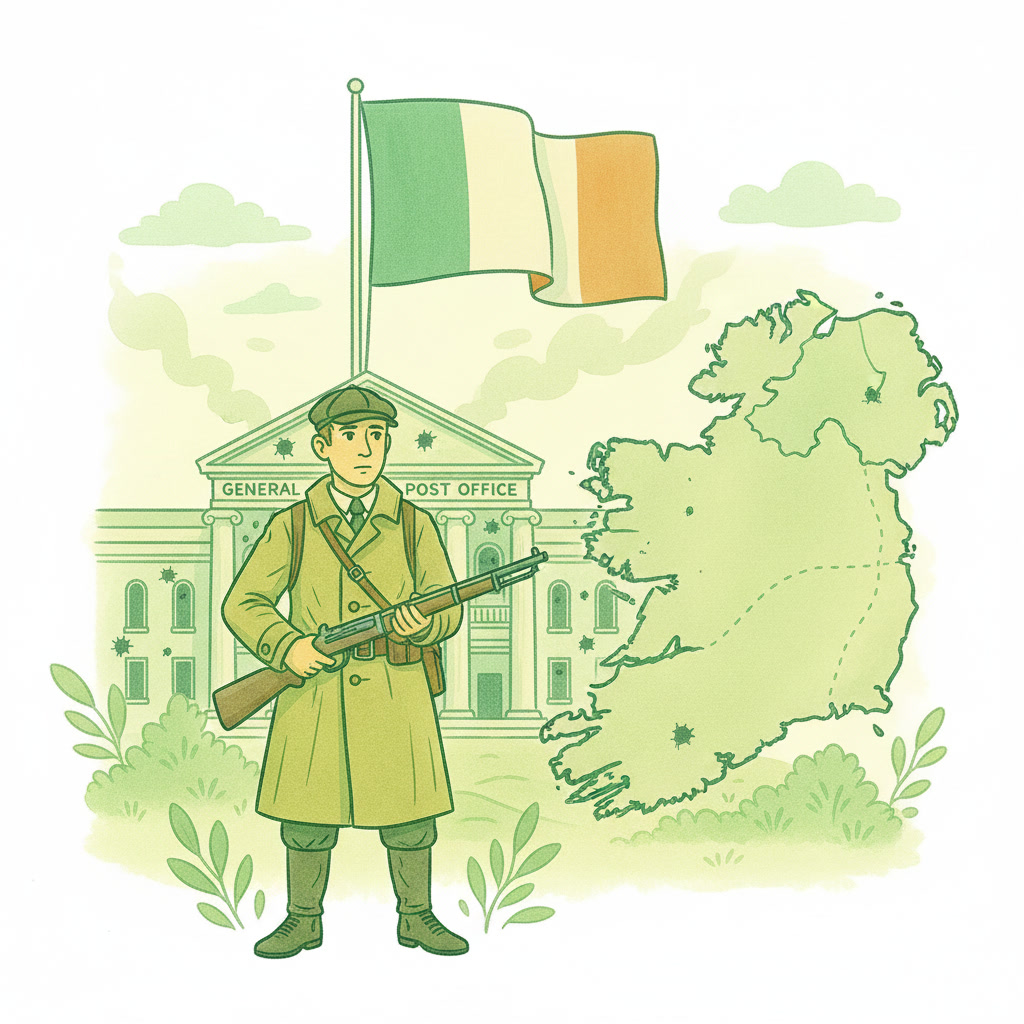
Independence (1916 - 1949)
The 1916 Easter Rising sparked the War of Independence (1919-1921). The Anglo-Irish Treaty of 1921 created the Irish Free State, while six northern counties remained in the United Kingdom. Ireland became a republic in 1949, leaving the British Commonwealth.
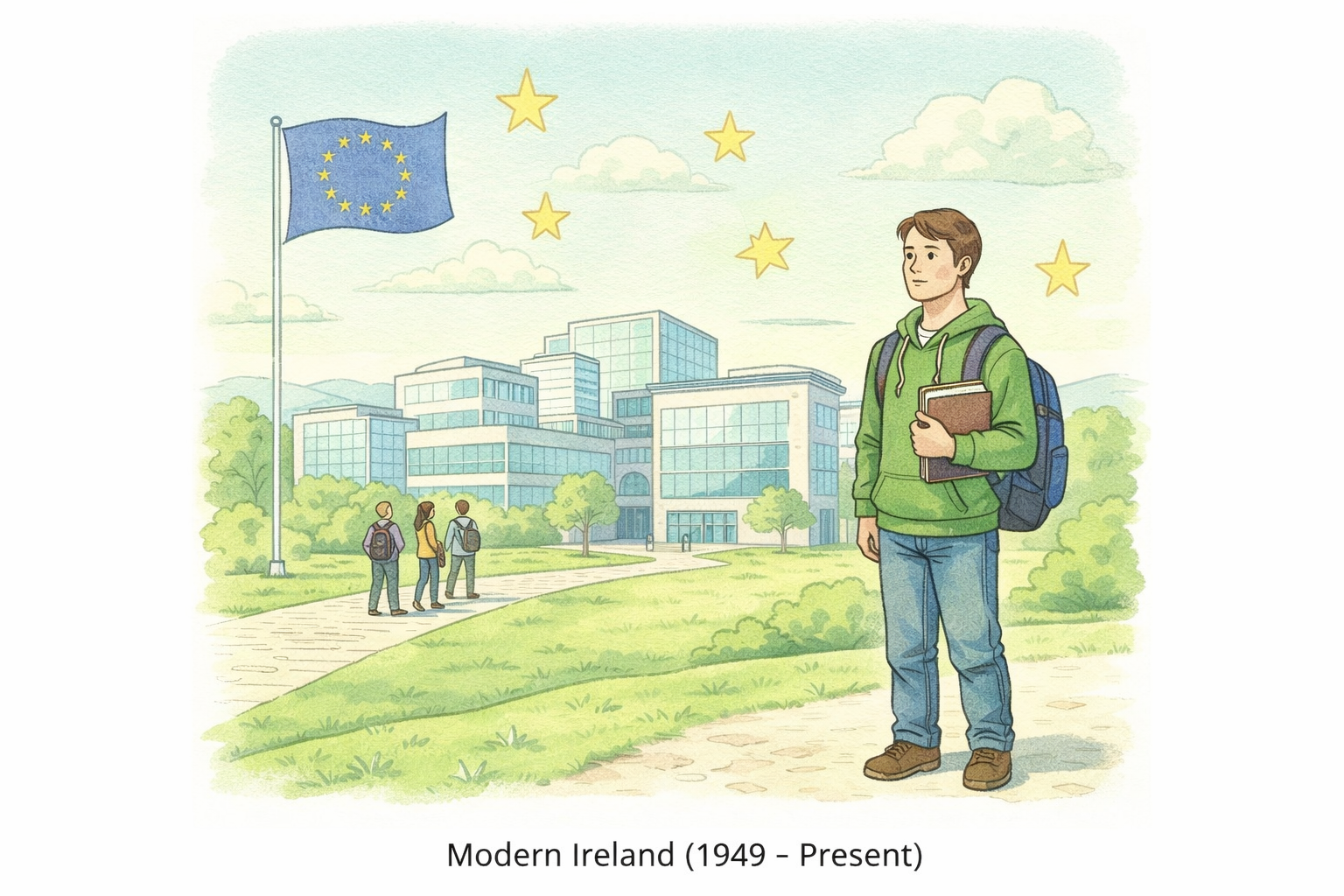
Modern Ireland (1949 - Present)
Ireland joined the European Economic Community (now EU) in 1973. The "Celtic Tiger" economic boom of the 1990s transformed Ireland into a prosperous, modern nation. Today, Ireland is known for its technology sector, quality education, and welcoming culture for international students.
Key Historical Facts
- Newgrange is over 5,000 years old - older than Stonehenge and the pyramids of Giza
- Irish monks preserved much of European learning during the Dark Ages
- The Great Famine led to the emigration of over 1 million Irish people
- Ireland was the first country in the world to legalize same-sex marriage by popular vote (2015)
Want to Know More?
Learn more about the country where your child will study, or explore Ireland's climate.
About Ireland Climate in Ireland